-
Çelik Tanklara Dökülen Cam (596)
-
Paslanmaz Çelik Tanklar (434)
-
Füzyon Bağlı Epoksi Tankları (592)
-
Galvanizli Çelik Tanklar (321)
-
Alüminyum Kubbe Çatı (1336)
-
Atık su depolama tankları (232)
-
kaynaklı çelik tanklar (457)
-
Basınçlı kaplar (295)
-
Anaerobik Çürütücü (202)
-
Endüstriyel Su Tankları (349)
-
cam kaplı çelik tanklar (180)
-
Boltlu Çelik Tanklar (389)
-
Çamur Depolama Tankı (115)
-
Biyogaz Depolama Tankı (173)
-
Sıvı depolama tankları (133)
-
Tarımsal Su Depolama Tankları (179)
-
Yangın Su Tankı (166)
-
Tahıl Depolama Silosları (146)
-
Biyogaz Projeleri (424)
-
Atık su arıtma projeleri (1068)
-
Çift Membranlı Çatı (223)

|
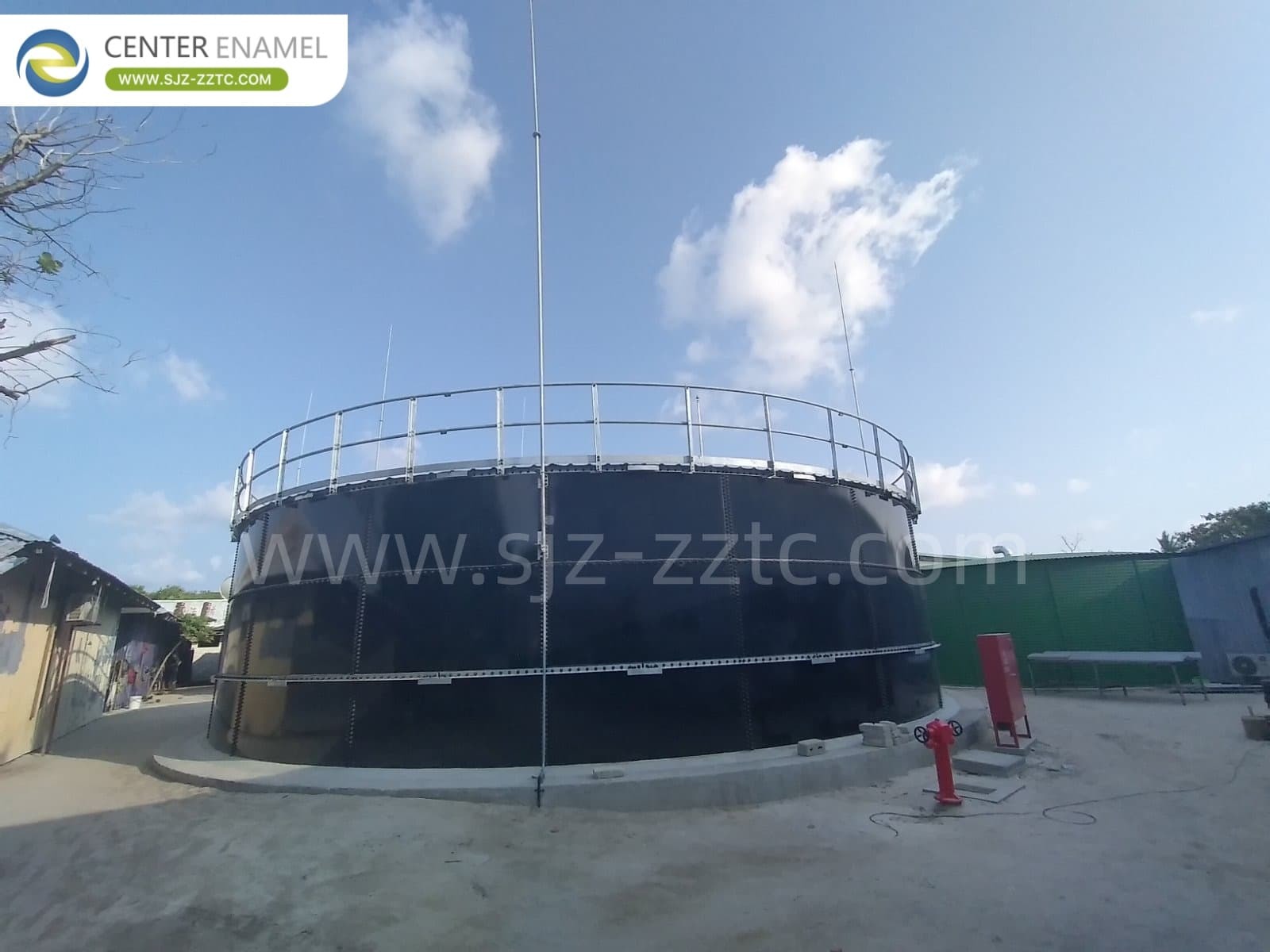
Tayland'da Tavuk Çiftliği Atık Suyu Arıtma Merkezi Enamel-Gelişmiş EPC Müteahhit
| Menşe yeri: | Çin |
| Marka adı: | CEC TANKS |
| Sertifika: | ISO 9001:2008, AWWA D103 , OSHA , BSCI |
| Model numarası: | W |
| Min sipariş miktarı: | 1 takım |
| Fiyat: | $5000~$20000 one set |
| Ambalaj bilgileri: | Her iki çelik plaka arasında PE poli-köpük; ahşap palet ve ahşap |
| Teslim süresi: | Depozito alındıktan sonra 10-30 gün |
| Ödeme koşulları: | L/C,T/T |
| Yetenek temini: | Ayda 60 takım |
|
Detay Bilgi |
|||
| Menşe yeri | Çin | Marka adı | CEC TANKS |
|---|---|---|---|
| Sertifika | ISO 9001:2008, AWWA D103 , OSHA , BSCI | Model numarası | W |
| Tank gövde rengi: | Koyu yeşil/özelleştirilebilir | Korozyon Bütünlüğü: | Harika |
| Çelik levha kalınlığı: | 3mm'den 12mm'ye kadar, tank yapısına bağlıdır | Kimyasal Direnç: | Harika |
| Panel Boyutu: | 2,4M * 1,2M | Temizlemesi Kolay: | Pürüzsüz, parlak, inert, yapışma önleyici |
| Vurgulamak: | EPC müteahhitinin tavuk çiftliğinin atık suyu,Tayland Tavuk atık suyu arıtma,Enamel atık su arıtma müteahhidi |
||
Ürün Tanımı
Tayland'da Tavuk Çiftliği Atık Suyu Arıtma Merkezi Enamel-Gelişmiş EPC Müteahhit
Tavuk çiftliği atık sularının yönetimi ve yüksek dayanıklılıklı organik atıkların yenilenebilir enerjiye dönüştürülmesi Tayland'daki tarımsal işletmeler için en önemli öncelik haline geldi.Yerel hayvancılık sektörü hızla büyüdükçe, yüksek kimyasal oksijen talebi (COD) ve süspansiyon katı maddeler (SS) ile ilgili çevresel düzenlemeler giderek daha sıkı hale geliyor.Center Enamel, dünya standartlarında mühendislik ile çevresel çözümler sunar.Bu makale, gelişmiş anaerobik sindirim sistemlerinin değerli temiz enerji üretirken tarımsal atıkları nasıl etkili bir şekilde tedavi edebileceğini araştırıyor.
Tavuk Çiftliği Atık Su Özellikleri ve Tayland'daki Tedavi Zorlukları
Tayland'daki tavuk çiftliklerinin atık suları öncelikle hayvan barınaklarının yıkanması, gübre yönetimi, kesim operasyonları ve işleme tesisinin temizlik rutinlerinden kaynaklanır.Bu atık sular aşırı derecede yüksek orkanik kirletici konsantrasyonlar içerir., azot ve fosfor, patojenler ve süspansiyon katı maddelerinin yüksek seviyeleri.Bu akışkanların arıtılması, organik yükleme oranlarının yüksek dalgalanmaları ve güçlü hoş olmayan kokular nedeniyle ciddi zorluklar doğurur.Geleneksel aerobik tedavi yöntemleri tek başına genellikle ekonomik olarak uygulanabilir değildir ve aşırı elektrik enerjisi tüketir.Son boşaltmadan veya yeniden kullanmadan önce organik yükü dengelemek ve çevresel bozulmayı azaltmak için özel anaerobik biyoteknoloji gereklidir..
Biyokonversiyon Mekanikleri: Tavuk çiftliği atık suyunun biyogaz haline dönüştürülmesi
Tavuk gübre ve atık suyunun biyogaz haline dönüştürülmesi, çok aşamalı anaerobik sindirim süreçlerine dayanır.AsetogenezKapalı, oksijensiz bir reaktörün içinde,Anaerobik bakteriler organik kirletici maddeleri tüketir ve besin yoğunlu digestat ile birlikte metan bakımından zengin bir biyogaz karışımına dönüştürürler.Bu biyolojik dönüşüm ikili bir amaca hizmet eder: it drastically reduces the biological oxygen demand (BOD) and chemical oxygen demand (COD) while capturing renewable biogas that can be utilized for combined heat and power generation or upgraded for industrial applications.
Center Enamel'in Biyogaz projeleri için profesyonel tasarım ve mühendislik çözümleri
Etkili bir tavuk atık su arıtma tesisinin tasarlanması kapsamlı teknik uzmanlık, doğru boyutlandırma ve sağlam yapısal mühendislik gerektirir.tropikal iklimler ve özel operasyonel kapasitelere yönelik özelleştirilmiş tasarım çözümleriMühendislik ekibimiz, en uygun hidrolik tutma sürelerini (HRT) ve organik yükleme oranlarını (OLR) belirlemek için kapsamlı bir etki karakterize etme ve kütle dengesi hesaplamaları yürütüyor.Gelişmiş süreç paketlerini en son teknolojiye sahip koruma yapılarıyla birleştirerek, istikrarlı günlük performans, minimum operasyonel duraklama süresi ve yerel çevresel akıntı standartlarına sıkı bir şekilde uymayı sağlıyoruz.
CSTR Prosesi: Yüksek Konsantrasyonlu Organik Çamur için Temel Teknoloji
Devamlı Karıştırılmış Tank Reaktörü (CSTR), yüksek katılıkta kümes hayvanı çamurlarının ve atık suların işlenmesi için temel biyolojik işleme birimi olarak hizmet eder.Fermantasyon hammaddeleri ve anaerobik mikroorganizmalar sürekli veya yarı sürekli olarak karıştırılır ve sabit bir sıcaklıkta fermente edilir.Reaktör sağlam bir mekanik karıştırma cihazı, kürekli karıştırıcı şaft ve kabuk kırma cihazıyla donatılmıştır.Bu iyice karıştırılması bakterilerle substratlar arasındaki teması en üst düzeye çıkarır, yüksek uçucu yağ asit dönüşüm verimliliğini ve istikrarlı biyogaz üretimini sağlar.
Optimal biyogaz depolaması için Çift Membranlı Çatılarla Birleştirilmiş GFS Tankları
Çift membranlı çatılarla birleştirilen Cam-Füzyon-Çelik (GFS) tankları, anaerobik sindirim için nihai bir sınırlama ve gaz tutma mimarisini sağlar.GFS plakaları 820°C ila 930°C arasında yüksek sıcaklıklarda erimiş, kalıcı, inert ve anorganik bir bağ oluşturarak olağanüstü korozyon direnci ve dayanıklılığı sağlar.Temel maliyetleri azaltırBu kombinasyon üstün hava sıkışıklığını, mükemmel yapısal bütünlüğü,ve agresif atık su ortamlarında uzun vadeli güvenilirlik.
Merkezi Enamel Depolama Tankları ve Kapak Çözümlerinin Kapsamlı Genel Görünümü
Center Enamel, çeşitli endüstriyel ve tarımsal uygulamalar için tasarlanmış modüler depolama tanklarının çeşitli portföyünü üretir.Galvanizli Çelik Tanklar, üst düzey korozyon direnciyle aşınmaya dayanıklı ve dayanıklı koruyucu kaplamalar sağlamak için gelişmiş galvanizleme işlemlerini kullanırFüzyon Bağlı Epoksi (FBE) tankları, uzun süreli yapısal korumayı sağlamak için AkzoNobel ile ortaklaşa geliştirilen yenilikçi kaplama teknolojilerini içerir.Paslanmaz Çelik Tanklar (AISI 304/316) yüksek saflıkta su depolama ve aşırı kimyasal ortamlar için sıkı gereksinimleri karşılarEk olarak, tank kaplama çözümlerimizin kapsamlılıkları, geniş açık aralıkları ve asgari bakım sağlayan Alüminyum Jeodezik Kubbe Çatıları'nı içerir.Hava geçirmezliği ve koku kontrolünü sağlayan camdan çelikten yapılmış çatılarAnaerobik sindirim için optimize edilmiş tek ve çift zarlı çatılar, etkili yağmur suyu koruması için düz alüminyum poliedral çatılar, sert koroziv koşullar için paslanmaz çelik çatılar,ve FRP Çatıları, hava geçirmez su depolama uygulamaları için uygundur.
Yüksek verimlilikli biyogaz tesisleri için gerekli yardımcı ekipman
Tamamen entegre bir biyogaz projesi, sorunsuz bir aşağıda işleme ve kullanımı sağlamak için özel yardımcı ekipman gerektirir.Mekanik Çubuk Ekranları etkili bir şekilde akıntı aşamasında büyük askılı enkazları kaldırır, Homogenizasyon tankları akış hızlarını ve organik konsantrasyonları dengelerken, tampon tankları ara sıvı depolamasını düzenler.ve Katı-Sıvı Ayrıcılar verimli bir şekilde digestate'i lifli organik gübre ve sıvı digestate'ye ayırır.. Dehidrasyon ve Sülfürlenme Tankları, gaz akışından nem ve hidrojen sülfürünü çıkarırken, Booster Fanlar boru hattının basıncını istikrarlı tutar. Akışölçerleri gaz çıkışını doğru bir şekilde ölçer.Fener Sistemleri, aşırı biyogazı güvenli bir şekilde yakıyor, Kazanlar ve Biyogaz Jeneratörleri gazı termal ve elektrik enerjisine dönüştürür, Sıkıştırılmış Doğal Gaz (CNG) taşımacılık için paket yakıt kaydırır, kaldırma pompaları gübre aktarımını ele alır,ve vida çamur su çekme makineleri atık çamurları verimli bir şekilde yönetir.
Biyogaz projeleri için güvenilir tek duraklı EPC müteahhitiniz olarak Center Enamel
Center Enamel, küresel biyogaz ve atık su girişimleri için tam anahtarlı çözümler sunan kapsamlı bir EPC (Mühendislik, Alışveriş ve İnşaat) yüklenicisi olarak faaliyet göstermektedir.Temel iş alanımız tam EPC hizmetleri sunmasını kapsar., gelişmiş süreç paketi mühendisliği ve kapsamlı ekipman üretimi ve tedarik edilmesi.ekipman kurulumlarıBu birleşik proje teslimat modeli, çoklu satıcı koordinasyon risklerini ortadan kaldırır.Projeyi yürütme zamanlarını kısaltır, ve üst düzey sistem performansını ve maliyet etkinliğini garanti eder.
Sonuçlar
Tayland'da gelişmiş kümes avı atık su arıtma ve biyogaz geri kazanma sistemlerinin uygulanması, sürdürülebilir tarımsal kalkınma ve döngüsel ekonomi entegrasyonuna yönelik hayati bir adımdır.Dayanıklı GFS tanklarını kullanarak, verimli CSTR biyolojik süreçleri ve kapsamlı EPC proje yürütülmesi, tarımsal işletmeler temiz yenilenebilir enerji üretirken ciddi kirlilik sorunlarını başarıyla çözebilir.Center Enamel, dünya standartlarında mühendislik mükemmelliği sunmaya kararlı., üst düzey ekipman üretimi ve dünya çapında modern hayvancılık operasyonlarını güçlendirmek için güvenilir anahtar teslim çözümler.
Sıkça Sorulan Sorular
CSTR işlemi, tavuk çiftliği atık sularında tipik olarak bulunan yüksek miktarda süspansiyon katıları nasıl ele alır?
CSTR reaktörü güçlü bir mekanik karıştırma cihazı kullanıyor.ve yüksek konsantrasyonlu süspansiyonlu katı maddeleri tamamen süspansiyona sokmak ve anaerobik mikroorganizmalarla karıştırmak için kabuğu kırma mekanizması, çöp katmanlarının önlenmesi ve verimli organik parçalanmayı sağlamak.
Tayland'daki biyogaz tesisleri için neden geleneksel betondan veya kaynaklı boyalı tanklardan daha çok camdan çelik (GFS) tankları tercih edilir?
GFS tankları, çelik yapısının dayanıklılığını erimiş camın üstün korozyon direnciyle birleştirerek hızlı kurulum, sıfır yeniden boyama gereksinimleri sunar.koroziv biyogaz ortamlarına karşı mükemmel kimyasal tolerans, ve uzun bir hizmet ömrü.
Center Enamel, Tayland tarımsal biyogaz projelerinde bir EPC yüklenicisi olarak hangi rolü oynar?
Center Enamel tek kaynaklı bir EPC müteahhit olarak hareket eder. Süreç tasarımından mühendislik ve ekipman üretiminden inşaat, kurulum ve devreye sokuma,Böylece sorunsuz proje yürütülmesi ve optimal tesis verimliliği sağlanır.