-
Çelik Tanklara Dökülen Cam (596)
-
Paslanmaz Çelik Tanklar (434)
-
Füzyon Bağlı Epoksi Tankları (592)
-
Galvanizli Çelik Tanklar (321)
-
Alüminyum Kubbe Çatı (1336)
-
Atık su depolama tankları (232)
-
kaynaklı çelik tanklar (457)
-
Basınçlı kaplar (295)
-
Anaerobik Çürütücü (202)
-
Endüstriyel Su Tankları (349)
-
cam kaplı çelik tanklar (180)
-
Boltlu Çelik Tanklar (389)
-
Çamur Depolama Tankı (115)
-
Biyogaz Depolama Tankı (173)
-
Sıvı depolama tankları (133)
-
Tarımsal Su Depolama Tankları (179)
-
Yangın Su Tankı (166)
-
Tahıl Depolama Silosları (146)
-
Biyogaz Projeleri (424)
-
Atık su arıtma projeleri (1048)
-
Çift Membranlı Çatı (223)

|
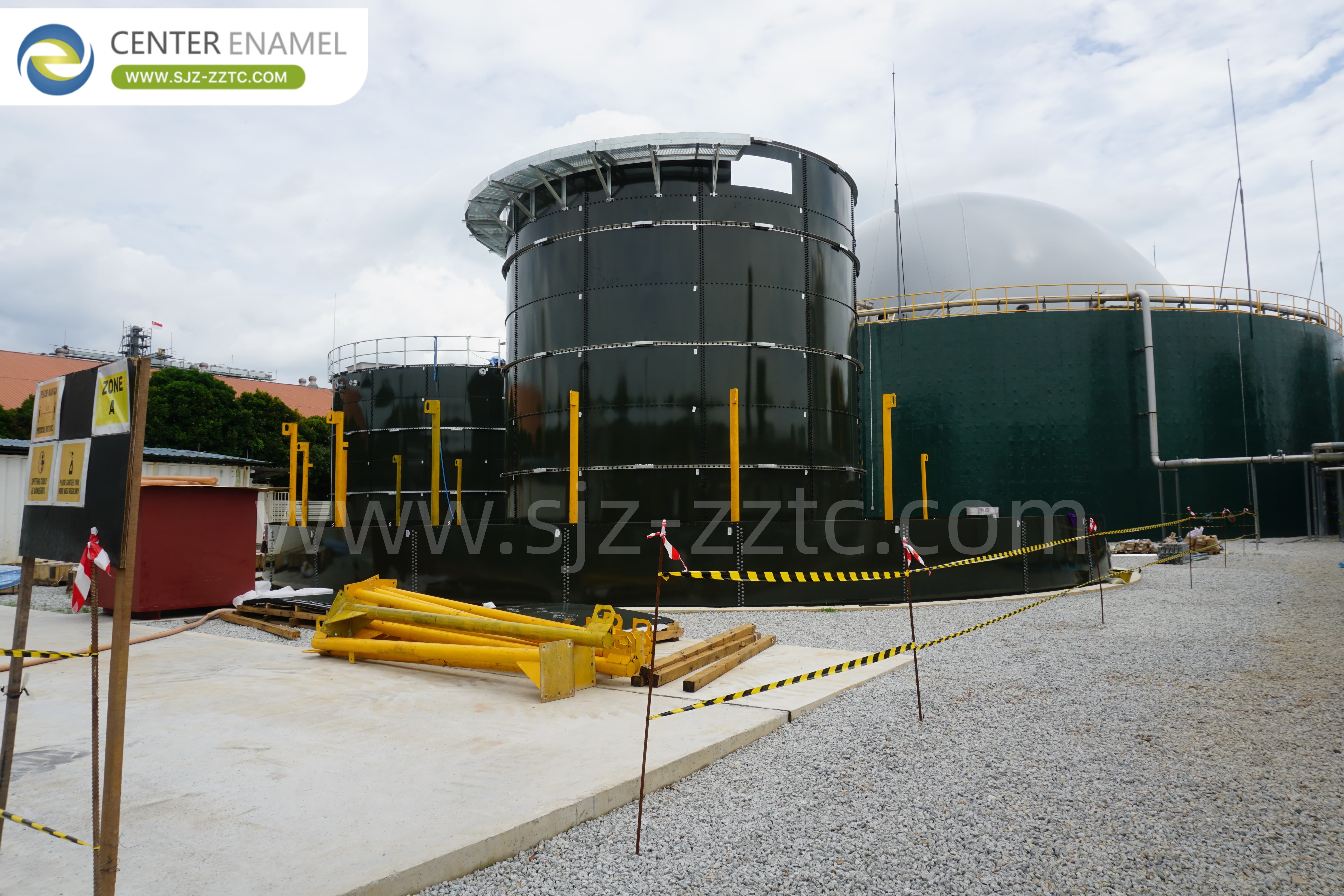
Endonezya'daki Domuz Çiftliği Atık Suları için Gelişmiş Anaerobik Tedavi ve Biyogaz Mühendisliği
| Menşe yeri: | Çin |
| Marka adı: | CEC TANKS |
| Sertifika: | ISO 9001:2008, AWWA D103 , OSHA , BSCI |
| Model numarası: | W |
| Min sipariş miktarı: | 1 takım |
| Fiyat: | $5000~$20000 one set |
| Ambalaj bilgileri: | Her iki çelik plaka arasında PE poli-köpük; ahşap palet ve ahşap |
| Teslim süresi: | Depozito alındıktan sonra 10-30 gün |
| Ödeme koşulları: | L/C,T/T |
| Yetenek temini: | Ayda 60 takım |
|
Detay Bilgi |
|||
| Menşe yeri | Çin | Marka adı | CEC TANKS |
|---|---|---|---|
| Sertifika | ISO 9001:2008, AWWA D103 , OSHA , BSCI | Model numarası | W |
| Tank gövde rengi: | Koyu yeşil/özelleştirilebilir | Korozyon Bütünlüğü: | Harika |
| Çelik levha kalınlığı: | 3mm'den 12mm'ye kadar, tank yapısına bağlıdır | Kimyasal Direnç: | Harika |
| Panel Boyutu: | 2,4M * 1,2M | Temizlemesi Kolay: | Pürüzsüz, parlak, inert, yapışma önleyici |
| Vurgulamak: | Domuz çiftliği atık sularının anaerobik arıtılması,Atık su arıtma için biyogaz mühendisliği,Domuz çiftliği atık su arıtma Endonezya |
||
Ürün Tanımı
Bu genel bakış, yüksek mukavemetli hayvancılık atıklarının yönetimine yönelik en son teknolojik çerçeveleri incelemekte ve entegre anaerobik sindirim sistemlerinin çevresel atıkları değerli yeşil enerji kaynaklarına nasıl dönüştürdüğünü detaylandırmaktadır.
Endonezya'nın genişleyen tarım ve hayvancılık endüstrileri, çeşitli bölgelerdeki domuz üretim tesislerinden önemli miktarlarda organik atık su üretmektedir. Domuz çiftliği atık suyu temel olarak yıkama suyu, hayvan atığı ve yem artıklarından oluşur ve bu da yüksek konsantrasyonlarda biyolojik oksijen ihtiyacı, kimyasal oksijen ihtiyacı, toplam askıda katı maddeler ve organik nitrojen bileşikleri ile sonuçlanır. Bu arıtılmamış veya kötü yönetilen atık suyun doğrudan yerel su kütlelerine boşaltılması ciddi ekolojik bozulmaya, toksik alg çoğalmalarına ve çevredeki topluluklar için ciddi koku rahatsızlıklarına neden olur. Geleneksel açık lagün arıtma yöntemleri, büyük arazi ayak izleri gerektirir, kontrolsüz metan emisyonları üretir ve modern çevre koruma düzenlemelerini karşılamada başarısız olur; bu da gelişmiş, kapalı, yüksek verimli biyolojik arıtma sistemlerinin benimsenmesini gerektirir.
Yüksek mukavemetli hayvancılık çamurunun yenilenebilir biyogaza dönüştürülmesi, kontrollü çok aşamalı anaerobik sindirim yoluyla gerçekleştirilir. Organik madde oksijensiz bir reaktör ortamına girdiğinde, karmaşık makromoleküller enzimatik hidrolize uğrayarak daha basit çözünür bileşiklere dönüşür. Asit oluşturan mikroorganizmalar daha sonra bu ara molekülleri uçucu organik asitlere dönüştürür. Asetojenik bakteriler ayrıca bu asitleri asetik asit, karbondioksit ve hidrojene dönüştürür. Son olarak, uzmanlaşmış metanojenik arkeler, metan gazı ve karbondioksiti sentezlemek için bu ürünleri tüketir. Bu biyolojik stabilizasyon süreci patojen organizmaları etkili bir şekilde yok eder, organik kirletici yüklerini yüzde seksenin üzerinde azaltır ve temiz biyogaz yakalayarak modern tarım operasyonları için döngüsel bir biyo-ekonomi modeli oluşturur.
Hayvan atıklarından enerjiye dönüştürme tesislerinin başarılı bir şekilde uygulanması, titiz mühendislik tasarımı, hassas hidrolik modelleme ve sıkı uluslararası üretim standartlarına bağlılık gerektirir. Center Enamel, Endonezya'daki yerel iklim ve operasyonel gereksinimlere göre özelleştirilmiş biyogaz proje çözümleri sağlamak için onlarca yıllık uzman endüstri uzmanlığını bir araya getiriyor. Çok disiplinli mühendislik ekibimiz, hammadde karakterizasyonu ve süreç akışı tasarımından yapısal hesaplamalar ve ekipman entegrasyonuna kadar proje geliştirmenin tüm yönlerini ele almaktadır. Gelişmiş muhafaza teknolojisini otomatik kontrol çerçeveleriyle birleştirerek, optimum biyolojik performansı, maksimum gaz verimini ve AWWA D103, ISO 9001, NSF/ANSI 61 ve ISO 28765 gibi küresel mühendislik kurallarına sıkı uyumu sağlıyoruz.
Sürekli Karıştırmalı Tank Reaktör teknolojisi, yüksek katı içerikli hayvan atık sularının işlenmesinde birincil biyolojik motor görevi görür. CSTR reaktörü, fermantasyon matrisi boyunca homojen karışımı korumak için tasarlanmış iç kanatlar, sağlam karıştırıcı şaftları ve kabuk kırma mekanizmaları dahil olmak üzere gelişmiş mekanik karıştırma aparatlarıyla donatılmış, sızdırmaz bir muhafaza kabı kullanır. Sistem, sabit bir mezofilik veya termofilik sıcaklığı ve sürekli besleme döngülerini koruyarak, anaerobik bakteriler ve karmaşık organik substratlar arasında optimum etkileşimi sağlar. Pozitif ve negatif basınç koruyucuları ve özel biyogaz ekstraksiyon boru hatları gibi entegre güvenlik cihazları, yapısal arıza riski olmadan operasyonel güvenliği, istikrarlı basınç regülasyonunu ve yüksek saflıkta metan üretimini sağlar.
Agresif anaerobik çürütme ortamlarında kullanılan muhafaza kapları olağanüstü kimyasal dirence ve yapısal dayanıklılığa sahip olmalıdır. Center Enamel, özel formüllü silikat camı 820°C ila 930°C arasındaki sıcaklıklarda yüksek mukavemetli yapısal çelik plakalara eriterek sektör lideri Cam Eritilmiş Çelik (GFS) tanklar üretmektedir. Bu füzyon işlemi, camın üstün korozyon direncinin yanı sıra çeliğin çekme mukavemetinden de yararlanan, paslanmayı ve kimyasal bozulmayı önleyen atıl, inorganik bir bağ oluşturur. Muhafaza sistemini tamamlamak için, ikili işlevler sağlamak üzere tankların üzerine Çift Membran Çatılar monte edilir: güvenli metan depolaması için bir iç gaz tutucu membran ve otomatik hava basıncı kontrol sistemi tarafından düzenlenen, mekansal verimliliği en üst düzeye çıkaran ve genel proje maliyetlerini azaltan bir dış hava koşullarına karşı koruma membranı.
Komple biyogaz tesisleri, belirli arıtma aşamalarına göre uyarlanmış çeşitli yardımcı muhafaza yapıları gerektirir. Center Enamel, üstün atmosferik korozyon direnci için sert çinko koruyucu kaplamalara sahip Galvanizli Çelik Tanklar, kesintisiz koruyucu astarlar için AkzoNobel ile işbirliği içinde geliştirilen Fusion Bonded Epoxy (FBE) Tanklar ve yüksek saflıkta veya yüksek derecede aşındırıcı sıvı depolama için inşa edilmiş Paslanmaz Çelik Tanklar (AISI 304/316) dahil olmak üzere geniş bir depolama tankı seçeneği sunar. Ek olarak, çeşitli çatı çözümlerimiz özel kaplama seçenekleri sunar: Geniş açık açıklıklı yapısal ihtiyaçlar için Alüminyum Jeodezik Kubbeli Çatılar, üstün hava geçirmezlik ve koku kontrolü için Cam Erimiş-Çelik Çatılar, yağmur suyuna karşı ekonomik koruma için Alüminyum Alaşımlı Tekneli Güverteli Çatılar, aşırı dayanıklılık için Paslanmaz Çelik Çatılar ve hava geçirmez olmayan tarımsal su depolaması için kubbeli veya düz tasarımlarda bulunan FRP Çatılar.
Verimli bir biyogaz tesisi, malzeme akışını ve gaz saflaştırmasını yönetmek için senkronize bir dizi özel destek ekipmanına dayanır. Mekanik Çubuk Izgaralar başlangıçta ham atık sudaki kaba katıları ve asılı kalıntıları filtreler. Homojenizasyon Tankları, CSTR sindirim kabına girmeden önce akış hızlarını ve organik yüklemeyi dengeler. Katı-Sıvı Ayırıcılar, sindirilmiş bulamacı mekanik olarak lifli çürütülmüş organik gübreye ve tarımsal sulama veya Siyah Film Havuzu depolaması için sıvı çürütücüye böler. Gaz Tutucular ikincil gaz depolama kapasitesi sağlar. Dehidrasyon ve Kükürt Giderme Tankları, biyogaz akışındaki nemi ve hidrojen sülfür yabancı maddelerini ortadan kaldırır. Güçlendirici Fanlar dağıtım basıncını düzenlerken Debimetreler üretim hacmini takip eder. Son olarak Torç Sistemleri, Kazanlar ve yüksek verimli Biyogaz Jeneratörleri veya CNG sıkıştırma üniteleri, arıtılmış gazı termal enerjiye, elektriğe veya temiz araç yakıtına dönüştürür.
Center Enamel, endüstriyel ve tarımsal atıklardan enerjiye dönüşüm projelerinin tüm yaşam döngüsü boyunca müşterileri destekleyen, her şey dahil, tek noktadan çözüm sağlayıcı olarak işlev görmektedir. Yıllık 250.000 sayfayı aşan üretim çıktısıyla 150.000 metrekarelik devasa bir üretim tesisinde faaliyet göstererek dünya çapında 100'den fazla ülkede iş ortaklarımıza hizmet veriyoruz. Kapsamlı iş kapsamımız tam EPC sözleşmesini, özel Süreç Paketi mühendisliğini ve doğrudan Ekipman Tedarikini kapsar. İlk konsept tasarımı ve hassas üretimden saha montajı, test ve operasyonel eğitime kadar her proje aşamasını denetleyerek arayüz risklerini ortadan kaldırıyor, sermaye harcamalarını kontrol ediyor ve uluslararası çevre standartlarını karşılayan güvenilir tesis performansını garanti ediyoruz.
Gelişmiş anaerobik sindirim teknolojisinin uygulanması, değerli yenilenebilir enerji üretirken hayvancılık atıklarının yönetilmesi için sürdürülebilir bir yol sunar. Tarımsal işletmeler, entegre GFS tankları, CSTR işleme üniteleri ve kapsamlı yardımcı sistemler sayesinde çevresel uyumluluk ve uzun vadeli enerji bağımsızlığı elde edebilir.
Hayvancılık atıksu arıtımında geleneksel beton yapılar yerine neden Cam Eritilmiş Çelik tanklar tercih ediliyor?
Cam-Fused-Çelik tanklar, anaerobik sindirim sırasında oluşan aşındırıcı organik asitlere ve hidrojen sülfite karşı üstün direnç sağlarken, beton yapılar asit saldırısına, çatlamaya ve sıvı sızıntısına karşı hassastır. Ayrıca, GFS tankları hızlı modüler kurulum, daha düşük yaşam döngüsü bakım maliyetleri ve otuz yılı aşan bir hizmet ömrü sunar.
Katı-sıvı ayırma ünitesi çürütme sonrası atık su yönetimini nasıl optimize eder?
Katı-sıvı ayırıcı, fermente edilmiş gübreyi, kolayca taşınabilen ve pazarlanabilen katı lifli organik gübreye ve kontrollü tarım arazisi uygulamasına veya daha fazla cilalamaya uygun olan sıvı gübreye etkili bir şekilde böler, böylece genel depolama hacmi gereksinimlerini azaltır ve besin yönetimini basitleştirir.
Biyogaz arıtma hattındaki kükürt giderme tankının temel işlevi nedir?
Kükürt giderme tankı, ham biyogazda bulunan aşındırıcı hidrojen sülfür gazını kimyasal veya biyolojik oksidasyon işlemleri yoluyla uzaklaştırmak, aşağı akış borularına, destek fanlarına, kazanlara ve biyogaz jeneratör motorlarına zarar gelmesini önlemek ve aynı zamanda temiz enerji kullanım standartlarına uygunluğu sağlamak için tasarlanmıştır.