-
Çelik Tanklara Dökülen Cam (596)
-
Paslanmaz Çelik Tanklar (434)
-
Füzyon Bağlı Epoksi Tankları (592)
-
Galvanizli Çelik Tanklar (321)
-
Alüminyum Kubbe Çatı (1316)
-
Atık su depolama tankları (231)
-
kaynaklı çelik tanklar (457)
-
Basınçlı kaplar (295)
-
Anaerobik Çürütücü (201)
-
Endüstriyel Su Tankları (349)
-
cam kaplı çelik tanklar (180)
-
Boltlu Çelik Tanklar (390)
-
Çamur Depolama Tankı (115)
-
Biyogaz Depolama Tankı (173)
-
Sıvı depolama tankları (133)
-
Tarımsal Su Depolama Tankları (179)
-
Yangın Su Tankı (166)
-
Tahıl Depolama Silosları (146)
-
Biyogaz Projeleri (425)
-
Atık su arıtma projeleri (788)
-
Çift Membranlı Çatı (223)

|
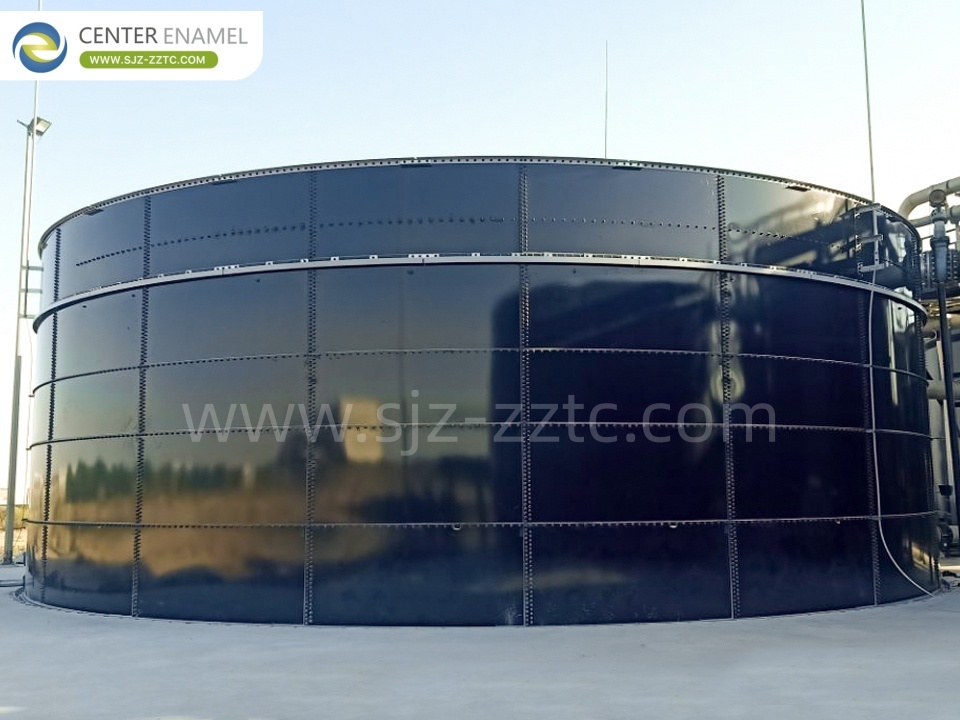
Tavuk Atıklarının Dönüştürülmesi: Filipinler'de Gelişmiş Biyogaz Çözümleri ve Dayanıklı GFS Tankları
| Menşe yeri: | Çin |
| Marka adı: | CEC TANKS |
| Sertifika: | ISO 9001:2008, AWWA D103 , OSHA , BSCI |
| Model numarası: | W |
| Min sipariş miktarı: | 1 takım |
| Fiyat: | $5000~$20000 one set |
| Ambalaj bilgileri: | Her iki çelik plaka arasında PE poli-köpük; ahşap palet ve ahşap |
| Teslim süresi: | Depozito alındıktan sonra 10-30 gün |
| Ödeme koşulları: | L/C, T/T |
| Yetenek temini: | Ayda 60 takım |
|
Detay Bilgi |
|||
| Menşe yeri | Çin | Marka adı | CEC TANKS |
|---|---|---|---|
| Sertifika | ISO 9001:2008, AWWA D103 , OSHA , BSCI | Model numarası | W |
| Tank gövde rengi: | Koyu yeşil/özelleştirilebilir | Korozyon Bütünlüğü: | Harika |
| Çelik levha kalınlığı: | 3mm'den 12mm'ye kadar, tank yapısına bağlıdır | Kimyasal Direnç: | Harika |
| Panel Boyutu: | 2,4M * 1,2M | Temizlemesi Kolay: | Pürüzsüz, parlak, inert, yapışma önleyici |
| Vurgulamak: | Tavuk atıkları biyogaz çözeltileri,atık sular için GFS tankları,biyogaz atık su arıtma Filipinler |
||
Ürün Tanımı
Tavuk Atıklarının Dönüştürülmesi: Filipinler'de Gelişmiş Biyogaz Çözümleri ve Dayanıklı GFS Tankları
Filipinler, büyüyen nüfusu desteklemek için hayvancılık ve tavukçuluk sektörlerinde hızlı bir genişleme yaşarken,Endüstri, ortaya çıkan çevresel ayak izini yönetme konusunda kritik bir zorlukla karşı karşıyaGeleneksel atık atışından gelişmiş atık atışına geçiş yapan tüm adalardaki modern tavuk yetiştirme işletmeleri içinBiyogaz ÇözümleriYüksek verimlilikte anaerobik süreçlerin entegre edilmesiyleUASB (Yükseliş Anaerobik Çamur Battani)DayanıklıCamdan Çelik (GFS) Tanklar, çiftlik işletmecileri tehlikeli tavuk gübrelerini değerli bir enerji varlığına dönüştürmekte başarılı.
Filipinler'in Tavukçuluk Sektörünün Manzarası ve Atık Çözümleri
Filipinler'deki tavuk endüstrisi, büyük ölçekli,Gıda güvenliğini artırmayı ve ihracat standartlarını karşılamayı amaçlayan yoğun hayvan besleme işlemleri (CAFO)Bununla birlikte, bu endüstrileşme büyük miktarda "yüksek güçlü" organik atık üretmektedir.
Tavuk gübreÖzellikle yüksek azot, fosfor ve amonyak konsantrasyonları nedeniyle yönetilmesi zor.
Yeraltı Sularının Kirlenmesi: Nitratların ve zararlı patojenlerin yerel su tablasına süzülmesi.
Atmosfer Kirliliği: Metan ve amonyak emisyonları, yoğun kokulara ve sera gazı katkılarına yol açar.
Ekosistem Zararları: Yerel su yollarına ve kıyı bölgelere besinlerle zengin akıntılar, bu da evtrofiye ve su yaşam alanlarının yok edilmesine neden olur.
Bu tehditlerle mücadele etmek için,Filipin hükümetidaha sıkı uyguladıatık su arıtma politikalarıBu görevler, ülkenin doğal kaynaklarını korumak için tarımsal projelerin standartlaştırılmış işleme süreçleri benimsemesini gerektirir.Atıkların yenilenebilir enerjiye dönüştürüldüğü bir "döngüsel ekonomiyi" teşvik etmek.
Tavuk Atıklarından Yenilenebilir Enerjiye: Biyogaz Süreci
Tavuk gübresinin biyogaz haline dönüştürülmesi, kaynakların en yüksek geri kazanımını sağlamak için tasarlanmış karmaşık bir biyolojik dizime girer:
Toplama ve Ön İşleme: Çiğ kuş atıkları ve temizlik suyu bir çukurda toplanır.Katı-Sıvı Ayrıcılarve mekanik ekranlar tüyleri, taşları ve organik olmayan çamurları çıkarıyor.
Anaerobik sindirim: Hazırlanmış gübre birAnaerobik reaktörBu oksijensiz ortamda, özel mikroorganizmalar organik maddeyi parçalayıp, serbest bırakır.metan ($CH_4$).
Gaz Depolama ve Temizleme: Çiğ gaz birÇift zarlı biyogaz tutucusuVe sonra bir geçişKükürtten arındırma sistemikorrosyonlu hidrojen sülfürü ($H_2S$) çıkarmak ve tüm sistemi korumak için.
Enerji Geri Kazanımı: Temizlenmiş biyogaz birCHP (Birleştirilmiş Isı ve Elektrik)Çiftlik işletmeleri için elektrik ve ısı üretmek için birim veya jeneratör, enerji maliyetlerini önemli ölçüde düşürür.
Hassas Mühendislik: Doğru Anaerobik Süreci Seçmek
Center Enamel, tavuk çiftliği atık suyunun özel özelliklerine göre özel reaktör sistemleri tasarlıyor ve inşa ediyor:
UASB (Yükseliş Anaerobik Çamur Battani): Sıvı fazlı atık sular için son derece etkili olan bu işlem, kompakt bir ayak izi içinde üstün bir arıtma verimliliği elde etmek için yoğun bir granüler çamur battaniyesi kullanır.
CSTR (Tamamen Karıştırılmış Tank Reaktörü): Yüksek katı konsantrasyonlu gübre için en iyi seçim, homojen bir ortamı korumak ve gaz verimini en üst düzeye çıkarmak için mekanik karıştırma kullanır.
USR (Upflow Solids Reactor): Özellikle yüksek miktarda süspansiyon katıları olan atıklar için tasarlanmıştır ve karmaşık organik liflerin kapsamlı bir şekilde parçalanması için uzun süreli tutma sürelerini sağlar.
IC (iç dolaşım) reaktörü: Yüksek oranlı bir sistem, üstün karıştırma elde etmek ve büyük ölçekli endüstriyel atıklar için ideal olan yüksek organik yükleme oranlarını ele almak için iç gaz kaldırma dolaşımını kullanır.
GFS Tank Avantajı: Dayanıklı Altyapı
Bu gelişmiş biyolojik süreçler için depolama ve reaktör kapının seçimi kritik önem taşır.Camdan Çelik (GFS) Tanklarsektörün referans noktası haline geldiler.
Eşsiz Korozyona Direnci: Cam kaplama inert ve gözeneksiz olduğundan, azot bakımından zengin tavuk atıklarının sindirilmesi sırasında üretilen saldırgan organik asitlere ve H2S'ye karşı bağışıklık sağlar.
Modüler ve Hızlı Kurulum: GFS tankları, geleneksel beton inşaatına kıyasla uzak bölgelerde çok daha hızlı bir şekilde dağıtılmasını sağlayan yerlerde birbirine bağlanır.
Isı Dayanıklılığı: Bu tanklar, optimal mikrobiyal aktivite için gerekli sabit mezophilik veya termofilik sıcaklıkları korumak için kolayca yalıtılır.
Uzun hizmet ömrü: En az bakımla 30 yıldan fazla sürecek şekilde tasarlanmışlar, son derece ekonomik ve uzun vadeli bir çözüm sunuyorlar.
Merkez Enamel: Kapsamlı Biyogaz Projelerinde Uzmanlık
Center Enamel büyük ölçekli tasarım ve icraat konusunda dünya lideri olarak kabul edilir.Biyogaz ProjeleriOn yıllık deneyime sahip olan şirket, yüksek verimlilikte anaerobik sindirim ve önemli bir organik yük azaltımı gerektiren karmaşık atık akışlarının yönetiminde uzmanlaşmıştır.Center Enamel'in temel avantajı,Anahtarlı EPC (Mühendislik, Alışveriş ve İnşaat) çözümleri¥ilk süreç tasarımından ve özel ekipman üretiminden, yerleşim yerindeki kurulum ve devreye girmeye kadar.Bu kapsamlı yaklaşım, kümes hayvanları ve endüstriyel işletmecilerin atık varlıklarından yenilenebilir enerji geri kazanımını en üst düzeye çıkarırken% 100 çevresel uyumluluğu elde etmelerini sağlar.
Küresel Başarı Hikayeleri: Kanıtlanmış Proje vakaları
Dava 1: Malezya Biyogaz Projesi
Tank Boyutları: φ22.93 × 12.325 m (H) 1 Birim
Toplam Hacim: 5.087 m3 1 Birim
Bitirme yılı: 2025
Dava2: Kanada Biyogaz Projesi
Tank Boyutları: φ8.4 × 7.2 m (H) 2 Birim
Toplam hacim: 798 m3
Bitirme yılı: 2024
Filipinler'deki tavuk çiftliği işletmecileri için, sürdürülebilirBiyogaz ÇözümleriKârlılığı çevresel sorumlulukla dengelemenin en etkili yoludur.GFS tanklarıve verimliliğiUASBya daCSTRÜretilen süreçler, Center Enamel'in atık yükümlülüklerini yenilenebilir enerjiye dönüştürmek için gerekli kapsamlı altyapıyı sağladığı anlamına gelir.Bu bütünleşik yaklaşım, yerel tavuk endüstrisini daha yeşil bir çevreye doğru yönlendirirken, değişen Filipin çevre standartlarına uzun vadeli uyum sağlıyor., kendi kendine yeten bir gelecek.