-
Çelik Tanklara Dökülen Cam (596)
-
Paslanmaz Çelik Tanklar (434)
-
Füzyon Bağlı Epoksi Tankları (592)
-
Galvanizli Çelik Tanklar (321)
-
Alüminyum Kubbe Çatı (1316)
-
Atık su depolama tankları (231)
-
kaynaklı çelik tanklar (457)
-
Basınçlı kaplar (295)
-
Anaerobik Çürütücü (201)
-
Endüstriyel Su Tankları (349)
-
cam kaplı çelik tanklar (180)
-
Boltlu Çelik Tanklar (390)
-
Çamur Depolama Tankı (115)
-
Biyogaz Depolama Tankı (173)
-
Sıvı depolama tankları (133)
-
Tarımsal Su Depolama Tankları (179)
-
Yangın Su Tankı (166)
-
Tahıl Depolama Silosları (146)
-
Biyogaz Projeleri (425)
-
Atık su arıtma projeleri (788)
-
Çift Membranlı Çatı (223)

|
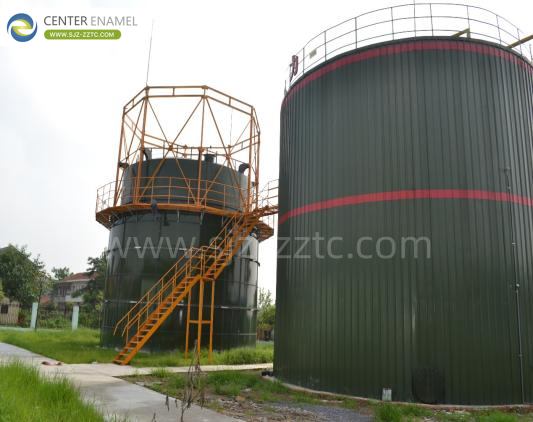
Yeni Zelanda'daki Mezbaha Atıksu Arıtma Projeleri için Gelişmiş Biyogaz Teknolojisi
| Menşe yeri: | Çin |
| Marka adı: | CEC TANKS |
| Sertifika: | ISO 9001:2008, AWWA D103 , OSHA , BSCI |
| Model numarası: | W |
| Min sipariş miktarı: | 1 takım |
| Fiyat: | $5000~$20000 one set |
| Ambalaj bilgileri: | Her iki çelik plaka arasında PE poli-köpük; ahşap palet ve ahşap |
| Teslim süresi: | Depozito alındıktan sonra 10-30 gün |
| Ödeme koşulları: | L/C, T/T |
| Yetenek temini: | Ayda 60 takım |
|
Detay Bilgi |
|||
| Menşe yeri | Çin | Marka adı | CEC TANKS |
|---|---|---|---|
| Sertifika | ISO 9001:2008, AWWA D103 , OSHA , BSCI | Model numarası | W |
| Tank gövde rengi: | Koyu yeşil/özelleştirilebilir | Korozyon Bütünlüğü: | Harika |
| Çelik levha kalınlığı: | 3mm'den 12mm'ye kadar, tank yapısına bağlıdır | Kimyasal Direnç: | Harika |
| Panel Boyutu: | 2,4M * 1,2M | Temizlemesi Kolay: | Pürüzsüz, parlak, inert, yapışma önleyici |
| Vurgulamak: | Biyogaz teknolojisi katliam atık suyu,atık su arıtma projeleri Yeni Zelanda,katliam biyogaz arıtma teknolojisi |
||
Ürün Tanımı
Yeni Zelanda'daki Kasaplık Atık Suyu Arıtma Projeleri için Gelişmiş Biyogaz Teknolojisi
Bir dünya lideri olarakEPC yüklenicisi,Merkezi EnamelÇevre mühendisliği uzmanlığının 30 yılından fazlasını sürdürülebilir atık su yönetimi sağlamak için kullanır.Biyogaz teknolojisive bizim özelCamdan Çelik (GFS) Tanklar, özellikle et işleme endüstrisi tarafından üretilen karmaşık organik yükleri ele almak için tasarlanmış yüksek verimli sistemler sunuyoruz.
Yeni Zelanda Kasaplık Endüstrisi
Yeni Zelanda, ulusal ekonomi için temel olan yüksek kaliteli et ve süt ürünleri ihracatıyla dünyaca ünlüdür.Kasaplık ve işleme faaliyetleri için büyük miktarda su kullanmakBununla birlikte, bu yüksek üretim seviyesi, yüksek düzeyde besin maddeleri (nitrojen ve fosfor), yağlar,ve kan ve hayvan dokusundan bulaşıcı maddelerYeni Zelanda'nın saf doğal ortamını ve tatlı su kalitesini koruma konusundaki taahhüdünü göz önüne alarak,Bu endüstriyel akışkanın yönetimi ülke çapında et işleyicileri için kritik bir zorluk haline geldi..
Yeni Zelanda'daki Kasaplık Atık Su Politikası ve Yönetmeliği
Yeni Zelanda'da endüstriyel atık suların yönetimi öncelikleKaynak Yönetimi Yasası (RMA)Bölge meclisleri su yollarının ve tarım arazilerinin bozulmasını önlemek için sıkı düzenlemeler uyguluyor.
Ana politika çerçeveleri ve eğilimleri şunlardır:
Tatlı su yönetimi için ulusal politika açıklaması:Yerel makamlara tatlı su kalitesini yönetme konusunda güncellenmiş talimatlar sağlar, genellikle nehirlere ve akarsulara noktalı kaynak akışlarını azaltmak için tesisler gerektirir.
Kaynak İzinleri:Her mezbah, atık su akışında kaynak izni almalıdır, bu da çevresel etkileri değerlendirmek için düzenli izlemeyi içerir.
Entegre Düzenleyici Yaklaşım:Endüstri ve düzenleyici sektörler, tehlikeli ve yüksek sıklıklı atık suların neden olduğu tehditleri azaltmak için birlikte çalışır.
Karbon tarafsızlığı hedefleri:Sürdürülebilir kaynak geri kazanımına ve gelişmiş "Atık-enerji" modelleri aracılığıyla karbon ayak izini azaltmaya giderek daha fazla ulusal odak var.
Kasaplık Atık Sularının Anlaşılması: Doğum ve Tehlikeler
Kasaplık atık suyu, yüksek organik içeriği ve patojenleri nedeniyle en zararlı endüstriyel akışkanlardan biri olarak sınıflandırılır.
Sığır bahçeleri ve katliam alanları:Bu alanlar gübre, idrar ve yüksek kan konsantrasyonu ile dolu akışkanlar üretir, bu da tedavi edilmezse nehirde hızlı oksijensizliğe neden olabilir.
Gövdeleri çıkarmak ve dökmek:Bu işlemler nedeniyle atık akışına önemli miktarda yağ, yağ, protein ve lif atılır.
Sağlık ve Temizlik (CIP):Yerinde Temizleme (CIP) döngülerinden kaynaklanan büyük miktarda sıcak su ve kimyasal deterjanlar yüksek sıcaklıklara ve dalgalanma pH seviyelerine yol açar.
Tedavi edilmeyen akıntı besinlerin aşırı yüklenmesine, yeraltı suyunun kirlenmesine ve hidrojen sülfür ($H_2S$) ve amonyak gibi kokulu gazların salınmasına neden olur.
Katliam atık sularının entegre arıtma süreci
Center Enamel, çok aşamalı bir yaklaşım yoluyla tehlikeli atıkları değerli kaynaklara dönüştüren yüksek verimli arıtma sistemleri tasarlıyor:
Ön işleme:Mekanik ekranları kullanarak, ayakkabılar ve saçlar gibi katı maddeleri çıkarmak, sonra da özelÇözümlü Hava Flotasyonu (DAF)Yağları, yağları ve yağları (FOG) çıkarmak için birimler.
Anaerobik sindirim (Biyogaz çekirdeği):Yüksek güçlü organik maddenin oksijen yokluğunda anaerobik bakteriler tarafından parçalandığı kritik bir biyolojik aşama.Biyogaz, tesis için ısı veya elektriğe dönüştürülebilir.
Aerobik İşlem sonrası:Anaerobik sindirimden sonra,Aktif Çamurya daSequencing Batch Reactors (SBR)Sıkı nitrojen ve fosfor boşaltma sınırlarını karşılamak için suyu daha da cilalamak için kullanılırlar.
Dezenfeksiyon ve Çamur Yönetimi:Temizlenmiş su dezenfekte edilir (örneğin UV ile) ve kalan çamur organik gübre veya toprağı iyileştirme olarak kullanmak için su dışı bırakılır veya dengelenir.
Temel Anaerobik Teknolojiler: CSTR, UASB, USR ve IC
Merkez Enamel en etkili seçerAnaerobik teknolojilerTesisin spesifik atık özelliklerine göre:
CSTR (Sürekli Karıştırılmış Tank Reaktörü):Mekanik karıştırma, tutarlı sindirim ve maksimum biyogaz verimini sağlar.
UASB (Yüksek Akış Anaerobik Çamur Battani):Sıvı fraksiyonlar için yüksek oranlı bir çözeltme, kompakt bir ayak izi içinde yüksek COD çıkarılmasını sağlamak için granüler bir çamur battaniyesi kullanır.
USR (Upflow Solids Reactor):Özellikle daha fazla süspansiyonlu katı maddeler içeren atık sular için tasarlanmıştır ve kapsamlı parçalanma için uzun katı tutma süreleri sağlar.
IC (iç dolaşım) reaktörü:Yüksek verimlilikte yeni nesil işleme, büyük ölçekli, yüksek yüklü endüstriyel et işleme tesisleri için üstün istikrar ve kapasite sunuyor.
Mükemmeliyet temeli: Camdan Çelik (GFS) Tanklar
Merkezi Enamel özel kullanırGFS tanklarıiçin birincil taşıyıcı olarakKasaplık Atık Suyu Arıtma Projeleri:
Olağanüstü korozyon direnci:Cam ve çelik birleşimi, saldırgan organik asitlere ve temizlik kimyasallarına karşı bağışıklık sağlayan bir engel oluşturur.
Hızlı modüler kurulum:Çivilenmiş tasarım, operasyonel tesisler için duraklama süresini en aza indirerek betondan çok daha hızlı inşaat yapmasına izin verir.
Hijyen ve Dayanıklılık:Yumuşak cam yüzey, biofilm birikmesini önler ve temizlenmesi kolaydır ve 30 yıldan fazla bir kullanım ömrü vardır.
Neden EPC müteahhitiniz olarak Center Enamel'i seçtiniz?
Uzman olarakEPC yüklenicisi, Center Enamel kapsamlı, "tek durak" bir çözüm sunar:
Özel mühendislik:Sistemler, yerel çevresel standartları ve site özel operasyonel ihtiyaçları karşılamak için hassas bir şekilde tasarlanmıştır.
Küresel Kayıt:100'den fazla ülkede projelerimizle, Yeni Zelanda pazarına "Atıklardan Enerjiye dönüştürme" konusunda uluslararası uzmanlığı getiriyoruz.
Tam Sistem Entegrasyonu:GFS tanklarından ileri reaktörlere ve biyogaz geri kazanımına kadar, sorunsuz anahtar teslim çözümler sunuyoruz.
Kanıtlanmış Başarılar: Küresel Projenin Önemli Noktaları
Dava 1: Şili Endüstriyel Atık Su Arıtma Projesi
Tank Boyutları: φ12.99*4.8 m (H) 1 birim
Toplam Hacim: 635 m3 1 birim
Bitirme Tarihi: 2023
Dava 2: Uruguay Endüstriyel Atık Su Arıtma Projesi
Tank Boyutları: φ22.15*6 m (H) 2 birim
Toplam hacim: 4622 m3
Bitirme Zamanı: 2024
Yeni Zelanda'daki mezbah işletmecileri için,Sürdürülebilir atık su arıtma çözümlerinin benimsenmesi, giderek daha katı çevresel düzenlemelere cevap vermek ve yeşil kalkınma hedeflerine ulaşmak için önemli bir yoldur.- Merkezi Enamel's.Biyogaz teknolojisiveGFS tanklarıYüksek konsantrasyonlu organik atık suların arıtılması için uzun vadeli güvenilirliğe sahip, yüksek verimli, uygun maliyetli bir çerçeve sağlamak.Tehlikeli atık suları yenilenebilir biyogaz enerjisine ve temiz su kaynaklarına dönüştürerek, Yeni Zelanda işletmelerine ekonomik büyümeyi ekolojik koruma ile dengelemeye yardımcı oluyoruz.Entegre EPC hizmetimiz, uzun vadeli uyumlu operasyonları sağlar ve et işleme endüstrisinin küresel sürdürülebilir ticaret sisteminde yeşil rekabet avantajı oluşturmasına yardımcı olur.