-
Çelik Tanklara Dökülen Cam (596)
-
Paslanmaz Çelik Tanklar (434)
-
Füzyon Bağlı Epoksi Tankları (592)
-
Galvanizli Çelik Tanklar (321)
-
Alüminyum Kubbe Çatı (1316)
-
Atık su depolama tankları (231)
-
kaynaklı çelik tanklar (457)
-
Basınçlı kaplar (295)
-
Anaerobik Çürütücü (201)
-
Endüstriyel Su Tankları (349)
-
cam kaplı çelik tanklar (180)
-
Boltlu Çelik Tanklar (390)
-
Çamur Depolama Tankı (115)
-
Biyogaz Depolama Tankı (173)
-
Sıvı depolama tankları (133)
-
Tarımsal Su Depolama Tankları (179)
-
Yangın Su Tankı (166)
-
Tahıl Depolama Silosları (146)
-
Biyogaz Projeleri (425)
-
Atık su arıtma projeleri (788)
-
Çift Membranlı Çatı (223)

|
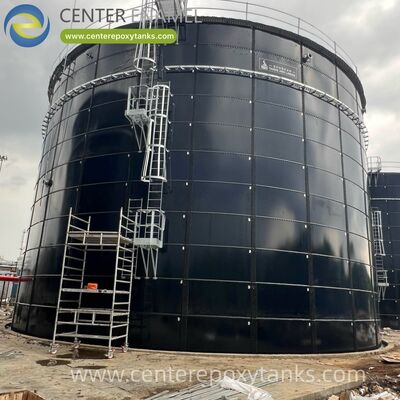
Kondensat Geri Kazanma Tankları olarak Boltlu Çelik Su Tankları: Enerji ve kaynak geri dönüşümü için sıcak geri dönüş suyunu işlemek için tasarlanmıştır.
| Menşe yeri: | Çin |
| Marka adı: | CEC TANKS |
| Sertifika: | ISO 9001:2008, AWWA D103 , OSHA , BSCI |
| Model numarası: | K |
| Min sipariş miktarı: | 1 TAKIM |
| Fiyat: | $5000~$20000 one set |
| Ambalaj bilgileri: | Her iki çelik plaka arasında PE poli-köpük; ahşap palet ve ahşap |
| Teslim süresi: | Depozito alındıktan sonra 10-30 gün |
| Ödeme koşulları: | L/C, T/T |
| Yetenek temini: | Ayda 60 takım |
|
Detay Bilgi |
|||
Ürün Tanımı
Kondensat Geri Kazanma Tankları olarak Boltlu Çelik Su Tankları: Enerji ve kaynak geri dönüşümü için sıcak geri dönüş suyunu işlemek için tasarlanmıştır.
Modern endüstriyel ısı yönetiminin yüksek verimlilik manzarasında, buhar döngüsü tesisin kalp atışıdır.Kondensat geri kazanma tankları bu döngünün sonunda uzmanlaşmış kaplardır., buharın ısılarını bir sürece aktarmasından sonra kalan yüksek saflık ve yüksek enerji suyu yakalamak için tasarlanmıştır.Bu sıcak kondansat tekrar kazanın içine geri dönüştürülür.Bu işlem, suyun zaten önceden ısıtıldığından enerji tüketimini azaltmak ve pahalı su arıtma kimyasallarını korumak için gereklidir.Kondensat depolamak eşsiz bir zorluk.Su genellikle yüksek sıcaklıklarda geri verilir ve "acık"tır.Doğal olarak saldırgan ve oksijen çukurlaması olarak bilinen bir işlemle korunmasız çelikleri hızla korodurabilir..
Traditional carbon steel tanks often fail prematurely in condensate service because standard liquid paints cannot withstand the combination of high temperature and the corrosive nature of ultra-pure waterPaslanmaz çelik yaygın bir alternatiftir, ancak büyük ölçekli geri kazanma sistemleri için maliyet kısıtlayıcı olabilir.ekonomikorta yol, endüstriyel termal sektöründe standartlaştırılmışEpoksi kaplı tanklarÖzellikleEpoxy bağlanmış çelik bultlanmış tanklarBu kaplar, buhar dönüş döngüsünün benzersiz gerginliklerine dayanmak için özel olarak tasarlanmış fabrikada uygulanan, termal olarak istikrarlı bir bariyer kullanır.
Isı Kaynağı İstihdamının İşletim Gereksinimleri
Bir kondensat geri kazanma tankı yüksek termal istikrarlılık ve saf su korozyonuna dirençli olmak üzere tasarlanmalıdır:
Oksijen çukurlarına ve saf su korozyona dayanıklı:Kondensat, minerallerden yoksun yüksek derecede arındırılmış sudur ve doğal olarak basit metallere karşı saldırgan hale gelir.Füzyon Bağlı Epoxy bariyeri, suyun çelikten iyonların süzülmesini önleyen kimyasal olarak inert bir iç mekan sağlar., tankın kalmasını sağlarkorozyonsuz.
Sıcak su geri dönüşü için termal istikrar:Kondensat genellikle standart boyaların yumuşamasına veya delaminasyonuna neden olacak sıcaklıklarda geri döndürülür.Epoxy bağlanmış çelik bultlanmış tanklaraşırı sıcaklıklarda kalınlaştırılır, bu da sürekli termal döngü sırasında moleküler olarak istikrarlı kalmasını sağlar.
Boiler beslenmesi için su kimyasının korunması:Geri kazanma tankındaki herhangi bir kirlilik sonunda kazanın içine ulaşıp, ölçeklenmeye veya borunun bozulmasına neden olur.epoksi kaplamanın gözeneksiz bitiş yapısı, pas pullarının veya kaplama kalıntılarının geri dönüş döngüsüne girmemesini sağlar..
Dinamik termal yükler için yapısal güvenlik:Tank sıcak suyla dolup boşaldıkça yapı termal olarak genişliyor ve daralıyor.Bu baskıları sertden daha iyi idare eder., alan kaynaklı alternatifler.
Teknik Mükemmellik: Füzyon Bağlı Epoksi Bariyer
Termal geri kazanım rezervuarının güvenilirliği, tamamen kontrollü bir fabrika ortamında yapılan Fusion Bonded Epoxy (FBE) üretim sürecine dayanır.Bu işlem, herhangi bir saha boyamasından daha üstün bir kaplama tekdüzeliği ve bağlanma gücünü sağlar..
Süreç, yüksek dayanıklılıklı çelik panellerin hassas hazırlanmasıyla başlar.Daha sonra yüksek sıcaklıkta termoset epoxy tozu elektrostatik olarak uygulanır.Paneller, aşırı sıcaklıklarda özel fırınlarda sertleştirilir, epoksi erir, akıp gider ve kimyasal bir çapraz bağlantı reaksiyonuna maruz kalır ve moleküler olarak çelik substratına füzyon olur.
Bu, yoğun, tekdüze ve inanılmaz derecede sert bir bariyer oluşturur.Bu paneller özel yüksek dayanıklı bağlayıcılar ve endüstriyel sınıflı mühürleyici ile birleştirilir., geri kazanma döngüsünün atmosferik ve termal streslerine karşı bağışık bir yapı oluşturur.
Verimliliği artırmakAlüminyumKubbe Çatı
Kondensat yönetiminde, çatı, ısı kaybını önlemek ve yüksek saflıkta suyu dış çevresel atıklardan korumak için çok önemlidir.Alüminyum Kubbe Çatıstratejik bir standart haline geldi:
Isı tutma ve buhar tutma:Kondensat sıcaklığı nedeniyle değerlidir.Alüminyum Kubbe ÇatıBuhar buharlarını tutmaya ve iç sıcaklığı korumaya yardımcı olan ve enerji geri kazanımını en üst düzeye çıkaran güvenli, gaz geçirmez bir mühür sağlar.
Yüksek Nemli Bölgelerde Bakımsız Performans:Bir kondensat tankının çevresindeki alan genellikle buhar havalandırmaları nedeniyle nemlidir. çelik bir çatının paslanmaması için sürekli yeniden boyanması gerekecek olsa da, alüminyum doğal olarak korozyona dayanıklıdır.bakımsız bir kaplama sağlayan.
Çatı tesisatları için hafif geodezik tasarım:Geodezik tasarım, minimum ağırlıkta muazzam yapısal dayanıklılık sağlar.binanın yapısal çelik yükünü azaltmak.
Dış kirliliğin önlenmesi:Kubbe, toz, organik atıklar ve yağmur suyunun aşağı kaynaktan kazanı kontaminasyondan korumak için kritik olan yüksek saflıklı kaynağa girmesini önleyen güvenli bir mühürleme sağlar.
Hızlı dağıtım ve modüler ölçeklenebilirlik
Termal verimliliği yükselten bir üretim tesisi için, kurulum hızı önemli bir avantajdır.Epoxy bağlanmış çelik bıçaklı tankHızlı ve verimlidir, yerinde kaynak gerektirmez. "İsparksız" endüstriyel bölgelerde kritik bir avantaj.
Ayrıca, sistemin modüler doğası gelecekteki esnekliği sağlar.Bu tanklar genellikle panellerin daha fazla halka ekleyerek yükseltilebilirBu modülerlik, ilk altyapı yatırımının tesisin enerji hedefleriyle birlikte gelişebilecek uzun vadeli bir varlık kalmasını sağlar.
Proje vakaları: Endüstriyel altyapıda kanıtlanmış performans
Aşağıdaki kurgusal olmayan projeler,Epoksi kaplı tanklarzorlu endüstriyel ve belediye ortamlarında:
Suudi Belediye Kanalizasyon ve Endüstriyel Atık Projesi:Ekstrem sıcaklıklarda çalışan bu proje, dış çevresel streslere dayanabilecek tanklara ihtiyaç duyuyordu.5tankların birimleri, güvenli vekorozyonsuzçözüm.
Sichuan Chengdu Atık Su Arıtma Tesisi Projesi:Bu yüksek kapasiteli proje,16Büyük miktarda işlenmiş sıvı yönetmek için tank birimleri. modern endüstriyel ölçekli sıvı yönetimi için gerekli yapısal istikrarın ve modüler verimliliğin bir kanıtı olarak hizmet eder.
Hebei Belediye Su ve Kanalizasyon Altyapı Projesi:Bu proje, bölgesel su dağıtımını ve endüstriyel güvenliği desteklemek için yüksek bütünlüklü bir vidalı tank kullanıyordu.1tank birimi, temel hizmetler için güvenilir ve düşük bakımlı bir çözüm sağlar.
Sonuç: Sıcak geri kazanım için yüksek verimlilik standardı
Kondensat geri kazanımının etkili bir şekilde yönetilmesi, termal istikrar, su saflığı ve yapısal uzun ömür için tasarlanmış altyapıyı gerektirir.Epoxy bağlanmış çelik bıçaklı tankmodern endüstriyel ve termal sektörler için en gelişmiş çözümü temsil eder.
İç oksidasyona karşı dirençli bir fabrika füzesi bariyer sağlayarak ve gelişmiş koruma sistemini dahil ederekAlüminyum Kubbe Çatı, bu tanklar termal varlıkların mutlak güvenlikle yönetilmesini sağlar.ve küresel olarak fabrikaların sürekli enerji verimliliğini destekleyen ölçeklenebilir bir çözüm.